The Human Heart vs. The Algorithm: Why AI Can't Replace Creative Storytellers
In an era where algorithms can mimic rhythm, pattern, and even poetry, one thing remains untouchable — the human pulse. This thought-provoking essay by Gurudas Kamat dives deep into the shifting balance between man and machine, revealing why true storytelling will always need a heartbeat. From the rise of the prompt architect to the rebirth of emotional craftsmanship, it’s a manifesto for writers, filmmakers, and creators standing at the edge of the AI frontier. Read it before you assume the algorithm has the final word.
AI CREATIVE STUDIO


Every week, it feels like we're bombarded with headlines screaming about the impending job loss for writers. It’s all artificial intelligence (AI) now, ready to swipe every creative gig from our desks. But hold on a second. While the tech is seriously impressive and crazy fast, we're missing the most comforting truth: AI’s ascent isn't a funeral bell for talented writers and screenwriters; it’s actually the starting gun for their most irreplaceable, high-value era. We shouldn't be cowering from the machines; we should be recognizing them as the ultimate stage crew, setting up the scene for human genius to finally steal the spotlight. The future of writing isn't about being replaced; it's about being promoted.
1. The Core: Why a Chip Can't Grasp Your Gut Feeling
Here’s the deal: a silicon chip simply cannot replicate a human heart. An algorithm can't truly understand, access, or convincingly fake genuine human emotion. Think about it. A great writer doesn't just assemble sentences; they inject subtle, heart-stopping details, moments of unexpected joy, or those narrative U-turns that only come from having lived a messy, complicated life. AI is brilliant at generating a functional plot, a mechanical sequence of events, but it utterly fails to capture that unquantifiable human soul. The real magic in a story—the painful ambiguity, the deep cultural wink, the emotional weight that defines a classic—requires a conscious mind, not a colossal spreadsheet.
And let's talk about subtext. AI trips over the why. When a character says, "I'm fine," but the writer knows they're unraveling inside, that layered nuance is totally lost on a system that just calculates probability. Great human writing is a puzzle box; it uses irony, misdirection, and intentional rule-breaking to shock and satisfy. AI is built to follow patterns; talented human writers are designed to obliterate them in a way that matters.
2. The Creative Echo Chamber is Real (And It Needs You)
We're facing a genuine threat of a creative echo chamber now that machine-generated content is flooding the market. Since AI tools are trained on everything that’s already been written—the finite history of human stories—the massive volume of what they spit out will, inevitably, start to feel identical, predictable, and totally reheated. It’s a content desert, even with all that volume, leading to serious audience fatigue.
The writers who win tomorrow won't be the ones who can generate a thousand decent scripts; they'll be the ones who conceive of one truly original, mind-bending narrative that AI, trapped by its training data, would never even dream up. You, the human writer, are the Curator of Chaos, the necessary person who injects the new, unpredictable spice that keeps culture moving forward. The machine’s output is just raw material until you, the expert, vet it, refine it, and pour a shot of originality into it.

4. Why the 'Infinite Scroll Economy' Is Your Biggest Client
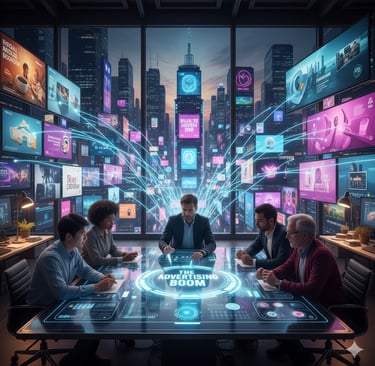
Guess what? Your unique human talent has arrived right when the demand for high-quality, emotionally resonant content has exploded across every known platform. The Infinite Scroll Economy—everything from your TikTok feed to the newest Netflix special to corporate learning modules—demands a constant, non-stop flow of material.
This means today’s writers—the film, TV, book, and script gurus who can visualize and verbalize a scene—are sitting on a goldmine. We need snappy micro-content, deep-dive webisodes, powerful documentary voiceovers, and endless side content. This complex ecosystem needs more than just volume; it requires a constant stream of high-quality material that is also context-specific. AI can draft a generic scene, sure, but only a human writer can perfectly tailor the emotional rhythm and pacing to fit a ten-second vertical reel versus a thirty-minute feature. You, the nimble, original human, are the only one who can consistently feed these hungry platforms without drowning the world in dull, generic noise.The writers who win tomorrow won't be the ones who can generate a thousand decent scripts; they'll be the ones who conceive of one truly original, mind-bending narrative that AI, trapped by its training data, would never even dream up. You, the human writer, are the Curator of Chaos, the necessary person who injects the new, unpredictable spice that keeps culture moving forward. The machine’s output is just raw material until you, the expert, vet it, refine it, and pour a shot of originality into it.
7. The Human Safety Net: Ethics and Copyright
Finally, you hold the most irreplaceable role of all: you are the ultimate ethical and legal safety net. When AI spits out content, who owns it? Is it original? The questions of Intellectual Property (IP) and copyright are complex and messy. Every serious company will need a human writer to take professional and legal responsibility for the originality and cleanliness of the core narrative.
But it goes deeper than law—it's about ethics. AI models can, and often do, mirror and amplify the societal biases present in their training data. You, the human writer, are ethically required to review that output, challenge harmful stereotypes, and ensure the story is sensitive, responsible, and aligned with modern moral standards. This crucial, final layer of conscious judgment, ethics, and empathy? That's the one thing an algorithm can never automate away.
The age of AI won't eliminate the need for writers; it will just raise the bar by eliminating the need for mediocre writing. It takes the creative writer out of the factory line and promotes them to the role of Architect, securing their place as the indispensable source of soul, originality, and moral conscience in the content landscape.
GURUDAS KAMAT


3. Your New Job Title: Master Architect and Prompt Wizard
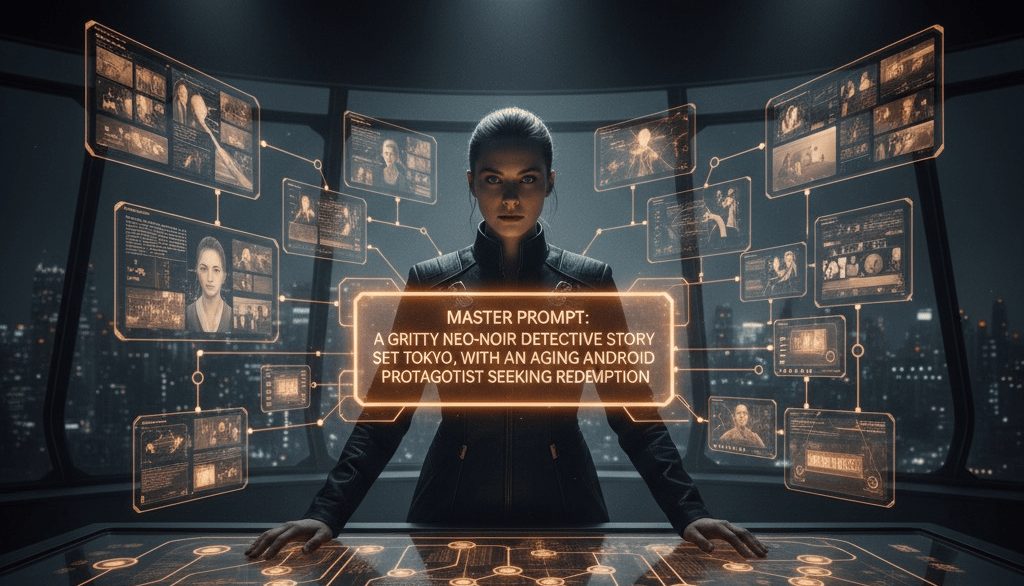
The best news? Generative tools are upgrading your job. You’re no longer the primary content laborer; you're the master architect and prompt engineer. This is a massive skill upgrade. Instead of wasting hours fighting through a mediocre first draft, your brainpower goes into designing the emotional framework, setting the narrative constraints, and guiding the AI with precise, insightful commands.
Your ultimate value is shifting from the keyboard to the blueprint. Writers are now defining the character arcs, the thematic depth, and the story’s consistent tone before the AI types a single letter. You become the Director of the Draft, generating fast options and choosing the best path, using the AI as an unbelievably rapid research assistant and co-pilot. This seriously boosts your creative capacity, freeing you up for the high-impact decisions that only you can make.



5. The Real Boom is in Advertising (And You're the Engine)
Forget the worry about AI taking ad jobs. The most exciting opportunity is actually brewing in advertising. Contrary to that popular fear, AI is about to cause a massive increase in opportunities for brilliant, talented writers. Why? Because as foundational models like Sora, Veo, and others make realistic video production insanely fast and cheap, the cost barrier for creating a stunning visual ad is going to fall off a cliff.
This cost crash means thousands of smaller companies that never had the budget for a big TV spot can now jump into the visual content game. This isn't a slight increase; it's a hundredfold explosion in demand for persuasive writers who can craft the killer scripts for all those new, affordable campaigns. They need writers who truly get Brand Voice, can navigate tricky compliance issues, and can tell a captivating story in ten seconds flat. AI totally struggles with the complex subtlety of a brand identity; the human writer becomes the Brand Guardian, ensuring every piece of content, no matter how it was generated, speaks perfectly to the company’s core message.
6. Embrace the Tech: Become the Strategist
You know that old business maxim: never fight a force you can leverage. This is the moment for the creative community to drop the resistance and start aggressively adopting the new reality of generative AI video and image processes. The writers who are going to conquer this new landscape aren't the ones waiting for permission; they're the ones learning to architect and structure their narratives specifically for AI deployment, leveraging its speed and affordability.
Your new skill is Content Strategy. This means designing stories that are modular—scripts that can be easily broken down and repurposed across different formats—and mastering the art of the perfect prompt to generate exactly the visual and textual output you need. By designing deployable stories that are faster and cheaper to execute at scale, you, the creative storyteller, become the indispensable partner in the future of high-volume content creation. You are the essential link that ensures human creativity meets machine scalability.